Ethereum Gas Wars: Timing Your Casino Deposits for Maximum Savings
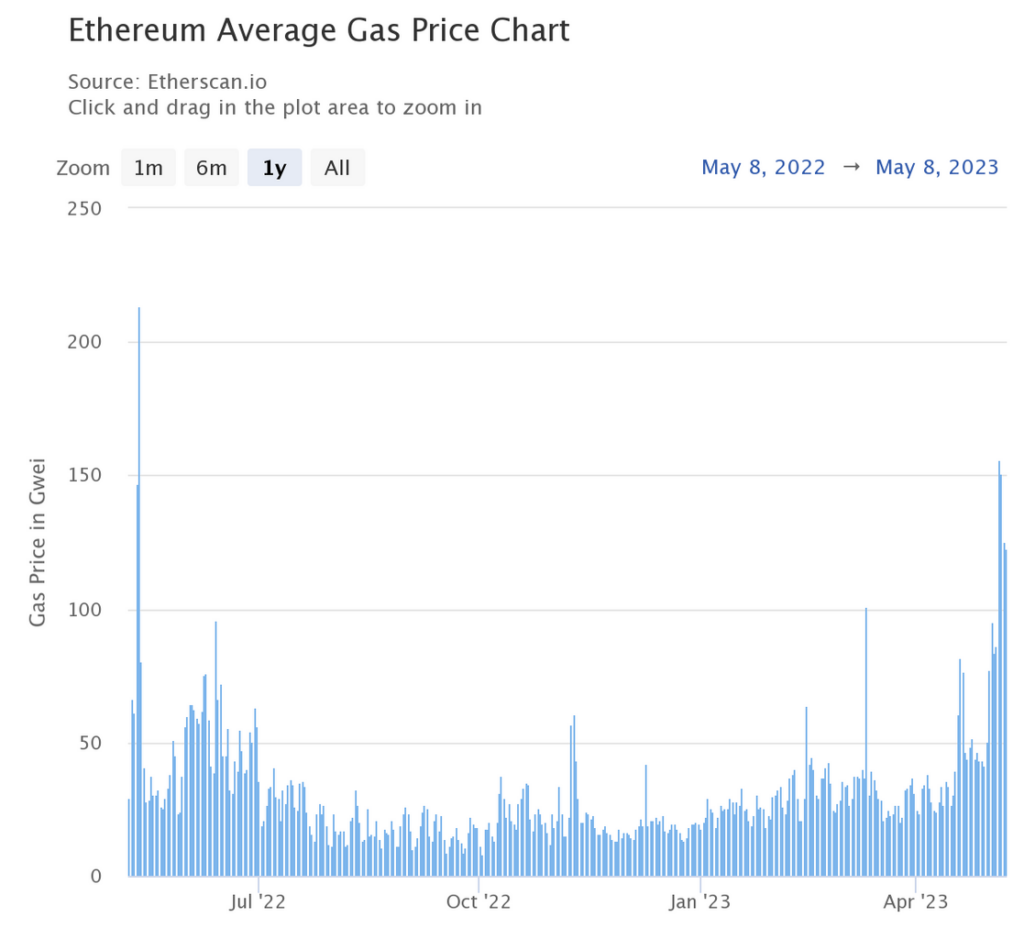
For international crypto casino enthusiasts, managing a bankroll is about more than just smart bets and bankroll management. A significant, and often overlooked, cost comes from the Ethereum network itself. Every deposit to platforms like Bitcasino.io or FortuneJack, and every withdrawal back to your personal wallet, incurs a transaction fee known as “gas.” During periods of high demand, these gas fees can skyrocket, turning a simple transfer into a costly affair. Savvy players understand that timing is everything, not just for placing a wager on a live match from the UEFA Champions League, but for the very movement of their funds. This guide delves into the strategy of navigating Ethereum gas wars, offering actionable advice on when to schedule your casino transactions to maximize savings and keep more of your bankroll where it belongs: in play.
Understanding Ethereum Gas: The Fuel of Your Transactions
Before diving into timing strategies, it’s essential to grasp what gas is and why its price fluctuates so wildly. On the Ethereum blockchain, gas is the unit that measures the computational effort required to execute operations, such as transferring ETH or interacting with smart contracts that power provably fair games from providers like Evolution Gaming or Pragmatic Play. You pay for gas in Gwei, which is a tiny fraction of ETH. The busier the network, the higher the demand for block space, and miners (or validators, post-Merge) prioritize transactions with higher gas fees. This creates an auction-like environment where users bid to have their transactions processed quickly. When popular NFT mints like those from Bored Ape Yacht Club occur, or during massive DeFi protocol launches, the network congests, and gas prices can reach exorbitant levels, sometimes exceeding the value of a small deposit itself.
How Gas Fees Directly Impact Your Casino Experience
For a player looking to deposit 0.1 ETH to try their luck at the live dealer tables or a new slot release from NetEnt, a gas fee of 0.03 ETH represents a 30% upfront loss. Similarly, a withdrawal of a 1 ETH win could be diminished significantly if processed during peak congestion. This makes cost-effective timing not merely a tip but a fundamental aspect of bankroll management for the international crypto gambler. It separates those who see frequent, small erosions of their funds from those who optimize every transaction.
Identifying Peak and Off-Peak Ethereum Network Hours

The Ethereum network is a global entity, but activity patterns follow the waking hours and business cycles of its largest user bases. Historically, network congestion peaks when North America (Eastern and Pacific Time) begins its workday and overlaps with the end of the European day. This period, typically between 13:00 and 21:00 UTC, often sees the highest gas fees. Conversely, the quietest periods are usually during the late-night hours in North America and the early morning in Asia, roughly between 23:00 UTC and 08:00 UTC. Weekends can be unpredictable; while traditional finance is closed, NFT and DeFi activity can surge at any time, making continuous monitoring key.
Tools for Monitoring Real-Time Gas Prices
Relying on guesswork is not a strategy. Successful players utilize free analytics tools to make informed decisions. Websites like Etherscan provide a live gas tracker, showing current low, average, and high gas prices. Other platforms offer historical charts and predictions. Setting up a personal alert for when gas prices drop below a certain threshold, say 30 Gwei, can be an excellent way to capitalize on sudden network calm. Many experienced users keep these tools bookmarked alongside their favorite casino sites, checking the gas situation before initiating any transfer.
Strategic Timing for Casino Deposits and Withdrawals
With an understanding of network patterns, you can develop a personal transaction schedule. For planned deposits, perhaps to take advantage of a weekend bonus offer from a platform like Stake.com or Cloudbet, aim to execute the transfer during the identified off-peak windows. Early mornings on weekends (UTC time) can sometimes be ideal. The strategy for withdrawals is slightly different but equally important. Most crypto casinos process withdrawals in batches. You submit the request on the casino’s site, but the actual on-chain transaction is sent later by the casino’s finance team. Therefore, you have less direct control over the timing. However, you can influence it by submitting your withdrawal request anticipating when the casino’s processing might coincide with lower gas periods. If you know your casino processes withdrawals twice daily at 08:00 and 20:00 UTC, aiming for the 08:00 batch might yield lower fees.
The Advantage of Layer-2 Solutions and Alternative Chains
The most forward-thinking strategy involves looking beyond the Ethereum mainnet altogether. Many leading crypto casinos now support Layer-2 scaling solutions like Arbitrum or Polygon, and alternative chains such as Binance Smart Chain. Depositing and withdrawing via these networks can reduce fees to a few cents, effectively eliminating the gas war problem. While game selection on these chains might not yet be as vast as on the mainnet, the availability of major providers is growing rapidly. Using these options requires holding assets on these specific chains, but the long-term savings for active players are substantial.
Advanced Tactics for the Cost-Conscious Player
Beyond basic timing, consider consolidating transactions. Instead of making five small deposits throughout the week, accumulate your intended bankroll and make one larger deposit during a low-gas window. This reduces the number of times you pay the network fee. Furthermore, stay informed about major Ethereum ecosystem events. Follow crypto news outlets for announcements of large NFT drops or DeFi protocol updates, as these will certainly clog the network. Planning your casino transactions around these known events can help you avoid the worst of the spikes. Lastly, always review the transaction fee estimate in your wallet (like MetaMask) before hitting confirm. You can often adjust the gas price manually, setting a lower price for a slower, but much cheaper, transaction if time is not of the essence.
Responsible Gambling in the Context of Crypto
While optimizing transaction costs is a smart financial practice, it should never overshadow the fundamental principles of responsible gambling. The efficiency of crypto transactions can lead to faster, more frequent play. It is crucial to set strict deposit limits, take regular breaks, and never chase losses. Remember that gambling should be viewed as entertainment, not a source of income. If you feel that your gambling is becoming a problem, organizations like Gamblers Anonymous offer vital support and resources. Managing your gas fees effectively keeps more funds at your disposal, making disciplined bankroll management and a responsible approach all the more important.
