Curaçao LOK vs. MiCA: Compliance Paths for Crypto Casinos
The landscape of international crypto gambling is undergoing a seismic shift, driven by two powerful regulatory currents. For operators catering to a global player base, navigating the parallel demands of Curaçao’s reformed LOK licensing framework and the European Union’s landmark MiCA regulation has become the paramount compliance challenge. While one represents a jurisdiction-specific evolution and the other a broad regional directive, together they are reshaping the security and operational standards for casinos offering Bitcoin, Ethereum, and other digital assets. Understanding the distinct compliance paths is no longer optional for serious operators aiming to build trust and ensure longevity in the international market.
The New Face of Curaçao: From Sub-Licenses to Direct LOK Oversight
For years, the Curaçao eGaming license, often administered through master license holders or “sub-licensors,” was a cornerstone for countless online casinos targeting international players, including many crypto-native brands. This model is now being fundamentally restructured under the National Ordinance for Games of Chance, commonly referred to as the LOK (Landsverordening op de kansspelen). The transition mandates that all operators, including those dealing exclusively in cryptocurrency, must obtain a direct license from the Curaçao Gaming Control Board (GCB). This move away from the sub-license system centralizes oversight and significantly elevates compliance rigor.
Core Compliance Demands Under the LOK Framework
The LOK framework introduces stringent requirements that directly impact crypto casino operations. A cornerstone is enhanced Know Your Customer (KYC) and Anti-Money Laundering (AML) procedures, which must now be applied with equal vigor to crypto transactions as to fiat ones. Operators are required to verify the source of player funds, which in the crypto sphere involves sophisticated blockchain analysis tools to track the provenance of deposits. Furthermore, the licensing process itself demands greater corporate transparency, robust internal control mechanisms, and detailed technical compliance reports. Casinos like BitStarz and FortuneJack, which have historically operated under Curaçao’s umbrella, are now navigating these enhanced due diligence processes to maintain their licensed status and player trust.
Actionable Steps for Operators in Transition
For an operator currently holding or seeking a Curaçao license under the new LOK regime, several strategic steps are critical. First, engaging with a legal expert specializing in Curaçao’s gaming law is essential to navigate the application process for a direct license. Second, investing in advanced crypto-compliance software from providers like Chainalysis or Elliptic is no longer a luxury but a necessity to meet the fund verification and AML standards. Third, operators should conduct a full audit of their current KYC flows, ensuring that identity verification processes are seamless for international users while being robust enough to satisfy regulators. Proactively adopting these measures can turn regulatory compliance into a competitive advantage, signaling security to players from regions like Europe, Asia, and Latin America.
MiCA: The European Union’s Sweeping Crypto Asset Regulation
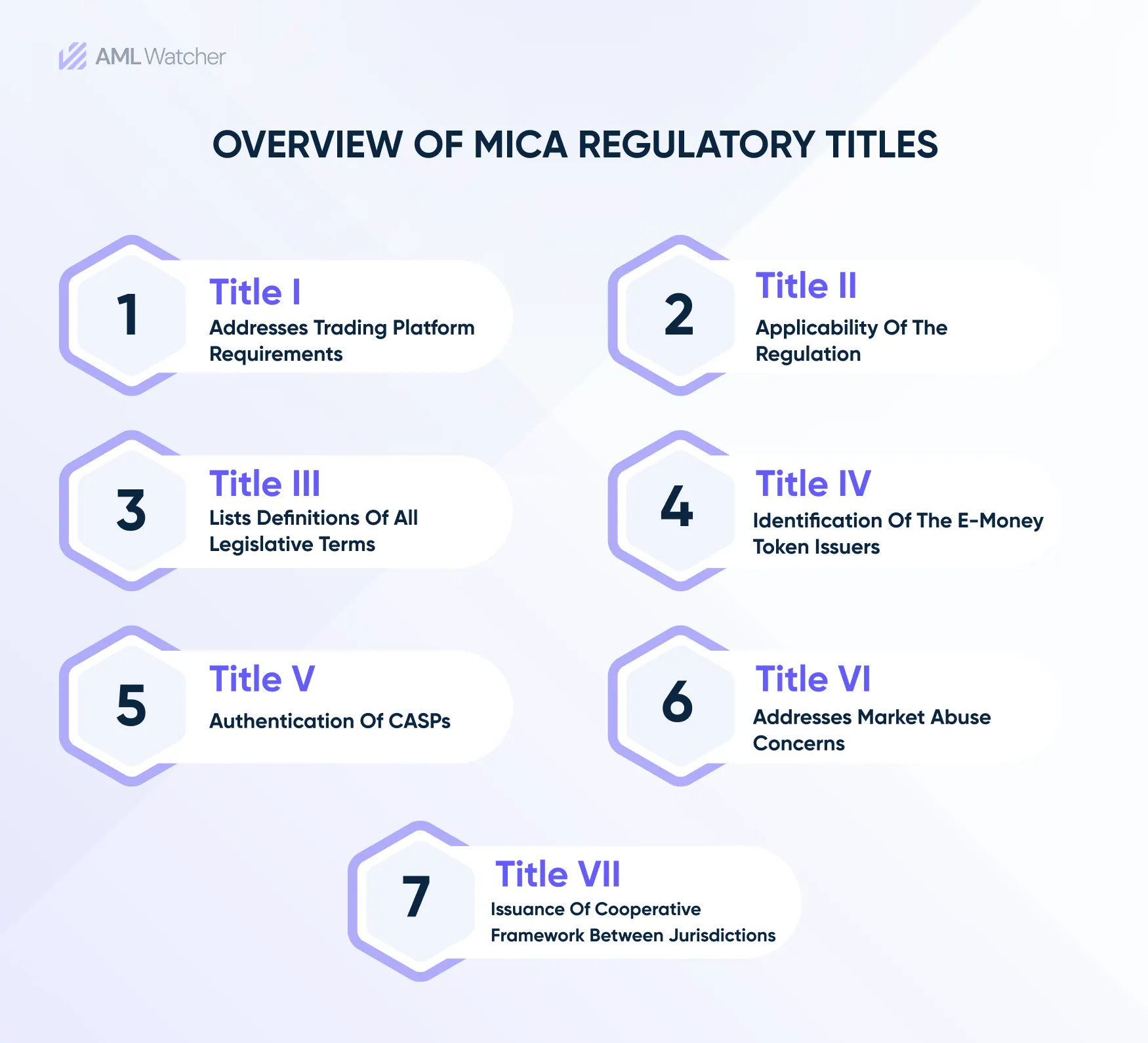
While Curaçao’s LOK reforms a specific licensing jurisdiction, the EU’s Markets in Crypto-Assets (MiCA) regulation casts a much wider net, creating a harmonized rulebook for crypto services across 27 member states. For crypto casinos with a significant European player base, MiCA’s implications are profound, even if the regulation does not directly govern gambling services. MiCA primarily targets issuers of crypto-assets, including stablecoins, and providers of custody and exchange services. Since casinos rely on these very pillars—stablecoins for betting and wallets for custody—they are indirectly pulled into MiCA’s orbit through their service providers.
Stablecoin Stability and Custody Safeguards
Two pillars of MiCA are particularly relevant. First, the regulation imposes strict requirements on “asset-referenced tokens” and “e-money tokens,” commonly known as stablecoins. Issuers like Tether (USDT) or Circle (USDC) will need to be fully authorized within the EU, maintaining ample reserves and providing detailed disclosures. For a casino, this means the stablecoins used on their platform must be MiCA-compliant to avoid operational and legal risk when serving EU customers. Second, MiCA mandates stringent rules for crypto-asset service providers (CASPs), including those offering custody services. A casino that holds customer crypto assets, even temporarily, may need to ensure its internal custody solutions or third-party wallet providers adhere to MiCA’s capital, governance, and consumer protection standards.
Strategic Adaptation for EU Market Access
Operators targeting the valuable European market must develop a MiCA-aware strategy. This begins with a thorough audit of all crypto payment gateways, wallet providers, and stablecoins integrated into the platform. Partnering with payment processors that are proactively seeking MiCA authorization is a prudent move. Furthermore, casinos should review their terms of service and consumer communications to ensure transparency about the regulatory status of the crypto assets they accept. For game providers like Pragmatic Play or Evolution integrating crypto payments, ensuring their financial partners are MiCA-ready will be crucial for distribution on platforms serving Europe. The goal is to build an ecosystem where the underlying crypto infrastructure is as regulated and secure as the gaming license itself, providing unparalleled assurance to players in Germany, France, Italy, and beyond.
Navigating Dual Compliance: A Path Forward for International Operators
The most forward-thinking crypto casinos are those that see Curaçao LOK and EU MiCA not as contradictory burdens, but as complementary frameworks for building a gold-standard operation. An operator with a direct LOK license demonstrating robust AML and fund verification is already well-positioned to meet the spirit of MiCA’s consumer protection goals. The convergence lies in transparency, security, and player protection. Implementing a unified compliance strategy that addresses the specific demands of both can create a powerful trust signal for the international community.
This involves creating a compliance department, or engaging a specialist firm, that monitors regulatory updates from both Willemstad and Brussels. It means choosing technology partners whose solutions are designed for a multi-regulatory world. For instance, a KYC provider that can verify identities globally while performing blockchain analytics to satisfy LOK requirements will also provide the audit trails needed should MiCA-related questions arise. Ultimately, the operators that thrive will be those who treat regulatory compliance as integral to product development, ensuring that features like provably fair games from providers such as BGaming or TrueLab are housed within a platform that is legally sound from deposit to withdrawal.
Responsible Gambling in a Regulated Crypto Environment
As regulatory frameworks like LOK and MiCA raise the bar for operational security, they also create a more structured environment for promoting responsible gambling. Licensed operators are increasingly mandated to integrate sophisticated player protection tools, such as deposit limits, time-outs, and self-exclusion protocols, directly within their crypto platforms. These features, coupled with transparent transaction histories on the blockchain, can empower players to maintain better control over their activity. It is crucial for every player to remember that a regulated environment supports safer play, but personal responsibility remains fundamental. Always gamble within your means, view cryptocurrency as a real money equivalent, and seek help from organizations like Gambling Therapy if your gambling ceases to be entertainment.
